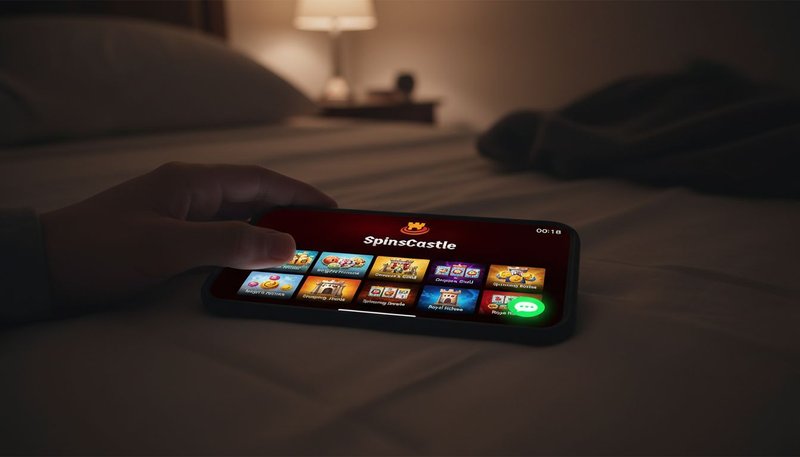
Mobile gaming means playing video games on a smartphone or tablet instead of a console or PC. In the UK, the average gamer spends about 1.8 hours a day on a mobile device, according to Statista. That’s more than the average time spent on traditional console gaming in the same period.

The Numbers Behind the Trend
Last year, UK mobile game downloads topped 2.4 billion, a 12 % rise from 2022. Revenue from in‑app purchases hit £1.1 billion, up from £920 million. The biggest drivers are casual titles like “Candy Crush” and “Among Us,” which together account for roughly 18 % of total downloads. Meanwhile, the “freemium” model—free to play with optional micro‑transactions—has become the standard, allowing developers to reach wider audiences while monetising through cosmetic items or time‑saving boosts.
How the User Experience Is Changing
Touch controls and on‑screen keyboards have made games more intuitive. Developers now use adaptive difficulty, adjusting challenge levels in real time based on a player’s performance. One popular title, “Clash Royale,” uses a machine‑learning algorithm to match players of similar skill, keeping engagement high. Another trend is cross‑platform play: a game started on a phone can continue on a desktop without losing progress.
Gamers also benefit from 5G connectivity. Download times for large assets have dropped from 30 seconds to under 5 seconds in many urban areas. This speed lets developers include richer graphics and longer storylines without forcing players to wait for updates.
Economic Impact on the UK Entertainment Sector
The mobile gaming market now accounts for 27 % of the UK’s total digital entertainment spend, up from 19 % five years ago. Small studios in cities like Manchester and Leeds have grown rapidly; one studio, “PixelForge,” hired 15 new staff in 2023 to meet demand for a new multiplayer title. The industry also supports ancillary jobs in marketing, data analysis, and community management.
However, the growth is not without challenges. Smaller developers often struggle with discoverability; a study by the UK Game Developers Association found that only 4 % of new titles reach 10 000 downloads in the first month. This makes it hard for niche games to survive without strong marketing budgets.
Social and Cultural Shifts
Mobile gaming has become a social activity. Multiplayer games now host live events that attract up to 50 000 concurrent players. In 2023, a global e‑sports tournament for a mobile title drew 120 000 viewers on Twitch, with a prize pool of £250 000. These events blur the line between casual play and competitive sport, creating new fan communities.
At the same time, concerns about screen time and addiction have prompted the UK government to fund research into healthy gaming habits. The Department for Digital, Culture, Media & Sport released guidelines recommending a daily limit of two hours for teenagers.
From Mobile Games to Online Entertainment
The same technologies that power mobile games—cloud streaming, adaptive streaming, and real‑time analytics—are now being applied to online entertainment platforms. For example, a popular streaming service uses viewer data to suggest shows that match a user’s recent game choices. This crossover means that someone who spends hours on a puzzle game might discover a new drama series within minutes. If you’re curious about how these trends extend to online gambling, you might check out Magic Win casino, where mobile-friendly slots and sports betting blend seamlessly with the broader digital entertainment landscape.
Looking Ahead: What Comes Next?
Artificial intelligence will likely drive the next wave of personalization. Games that learn a player’s preferences and adjust storylines accordingly are already in beta testing. Meanwhile, the rise of “augmented reality” (AR) games—like the UK launch of “Pokémon Go” in 2018—has shown that blending virtual and real worlds can create immersive experiences that extend beyond the screen.
On the regulatory side, the UK’s upcoming Digital Markets Act will introduce stricter rules on data usage for gaming companies. Developers will need to be transparent about how they collect and analyse player data, which could influence how future games are designed.
Conclusion
Mobile gaming has reshaped the UK’s entertainment scene by making games more accessible, engaging, and economically impactful. As technology advances and new business models emerge, the line between gaming and other forms of digital leisure will blur even further. Whether you’re a casual player, a developer, or simply a curious observer, the mobile gaming revolution is a story worth following.